Writing FAT
Fat & Happy
I have been fat my whole life, even as a child my doctors always encouraged my parents to help me lose weight. By the time I was only eight years old, I was on Weight Watchers and Lean Cuisines and a slew of diet plans that varied between my divorced parents' houses.
When I first became a reader, I loved stories with chubby girls who "somehow" still got their happy endings. I saw myself in them, wanted to be them, though they were few and far between. More often than not, if the characters didn't look like me in the book's description, I would mentally change them to insert myself into the narratives so that I could feel seen.
"To read contemporary American fiction is to swim through a sea of fatphobia so normalized that it is almost never remarked upon in book reviews, and those who perpetuate it are awarded the National Book Award or become national bestsellers." (Emma Copley Eisenberg, “The American Novel Has a Major Problem with Fat People”)
Now, in my late 20's, I have come to understand that that though this world is not meant for me and bodies like mine, that doesn't mean I don't belong here. I deserve to take up space. Part of how I do that is through my writing. By including fat characters on the page, showcasing more body diversity, I can help others see themselves in literature in ways that are not perpetuating the harm so many other stories do. My characters will always be complicated and messy and human, and many of them will be fat.
Diet Culture
When the majority of conversations I'm hearing between coworkers, or half the ads I get on my TV or phone, are for GLP-1's and similar weight loss medications, I can't help but find inspiration from it all.
Inspiration is a complicated word in this instance. I am feeling that beautiful spark of the creative mind at work, trying to find a light in the darkness. Would you be happy listening to so many people around you talk about the things they hate about their bodies - and it is all details that you and your body also have? Probably not. Thankfully, as a writer who also loves Horror, there have been so many ideas swirling in my mind, trying to process all of the madness that is diet culture. This is all thanks to some of these conversations I have been privy to. Let me explain.
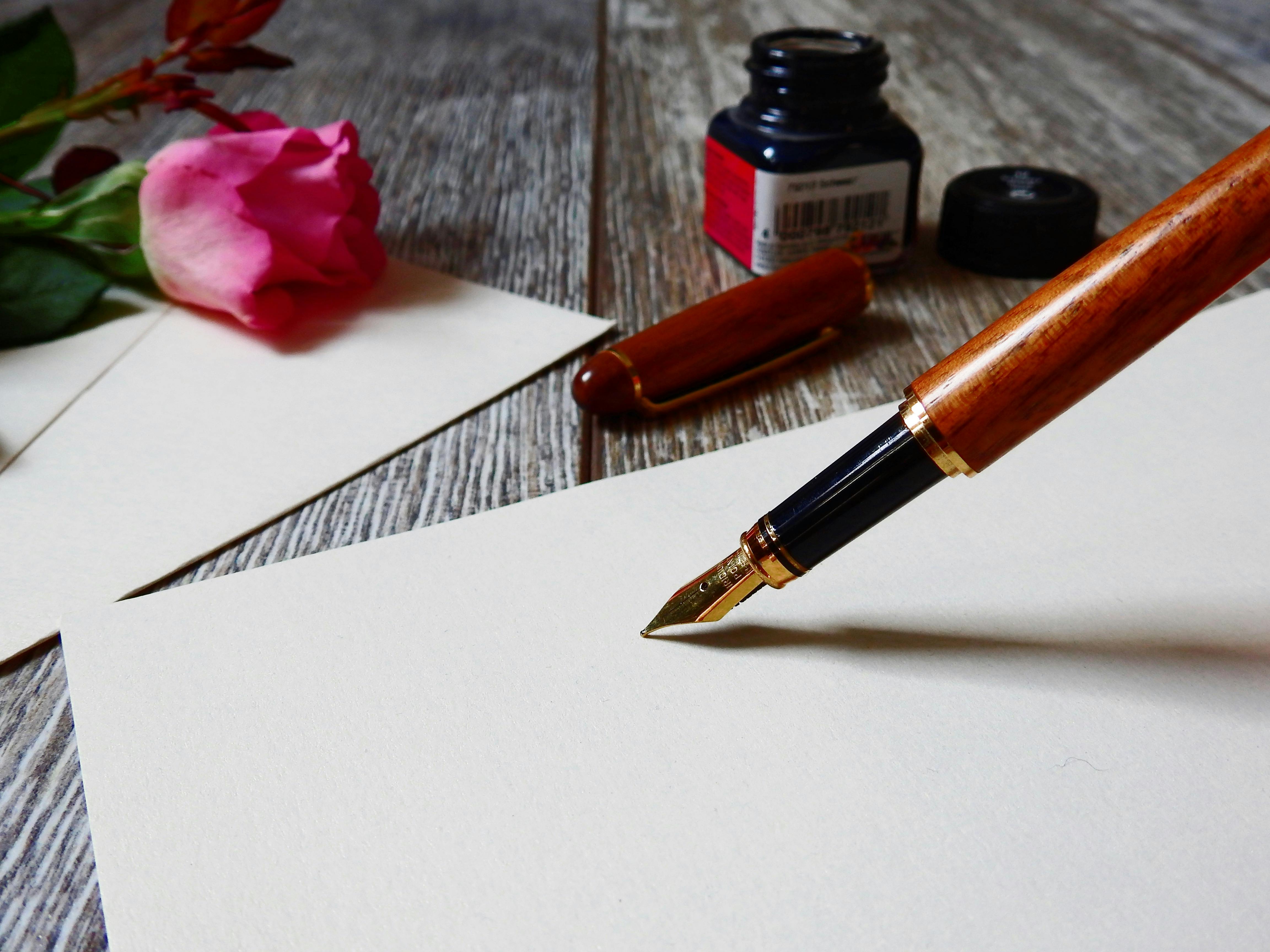
Recently, I overheard a woman say that she was on GLP-1's. She had lost a lot of weight very fast and felt empty inside (figuratively, as well as physically). Because of this, she filled the gaping hole that hunger and food left with...
Fountain pens.
An insane amount of money's worth of fountain pens.
Obsession.
This woman had never been one to write letters. Had never cared for pens in the past. But some ad online really got to her, and now it's her favorite hobby: buying and admiring fountain pens.
I went down a rabbit hole. Like I mentioned, there are many people in my life who are on, or have been on, medications like these. I have found that each and every one of these people has filled their life, for better or worse, with a new obsession now that they feel "freed" from food. These obsessions include buying books or makeup, obsessively going to the gym to the point it affects their personal relationships, or even a new kind of food obsession where they cannot stop making elaborate meals that will barely get eaten.
Food for Thought
After reading Emma Copley Eisenberg's Fat Swim, I have been thinking about my own relationship with my body. Accepting and loving my belly and thighs and arms has greatly affected my mental health. Best of all, it has helped my creativity.
There is this delicious merge of obsession, cravings, desire and a search for a sense of self. So many of my stories are filled with characters divulging into these ideas: a schoolboy turns into a black hole and eats his bullies, a woman gains a feeder kink from being a camgirl, a person finds a better sense of self and connects with their fat body thanks to Virtual Reality.
This is the one thing I am grateful to diet culture for (as sarcastic as I say that): there is no lack of tension and conflict, both internal and external, to be able to take inspiration from. Through all the pain that people like me go through, there can still be art to come from it. We can still create, process, learn, and perhaps change for the better.
So many people feel like food isn't restricting them anymore, despite their clear obsessions with it, or their obsessions to replace that hole in their guts. I just want to look them in the eyes and ask: are you happy now? When will enough be, truly, enough?